
Dragons and Manta Rays
Komodo National Park Indonesia 🇮🇩

“Twenty years from now you will be more disappointed by the things you didn't do than by the ones you did. So throw off the bowlines. Sail away from the safe harbor. Catch the trade winds in your sails. Explore. Dream. Discover”
This quote from Mark Twain made me think that there’s so much more to discover so let’s get out there and maybe take a boat trip so that’s just what I did. The destination was pretty easy, I’m not really interested in cruises, but a live aboard phinisi or wooden boat with their twin masts and multiple sails sailing through the Raja Ampat area of the Komodo National Park piqued my interest,
There are many companies offering the live aboard Komodo/Raja Ampat experience, with many departures each day. It’s peak season July-September so once I secured the live aboard part, flights needed to be booked. There are a few airlines running the Denpasar-Labuan Baja route so easy to book well in advance too. Departing Denpasar on Bali island early in the morning, the flight heads East to Flores island. Small islands like stepping stones dot the intensely blue water as we pass over the Indonesian archipelago. The scenery becomes particularly spectacular. Flores is mountainous, dry in places, and fringed by a deeply indented coastline. The contrast with the lushness of Bali is striking. I see steep green and brownish hills dropping directly into turquoise bays and numerous tiny offshore islands. Indonesia of course is made up of 17-18000 islands of which approximately 6000 are inhabited. No wonder there are so many islands and the low flying plane with a window seat makes spectacular viewing.
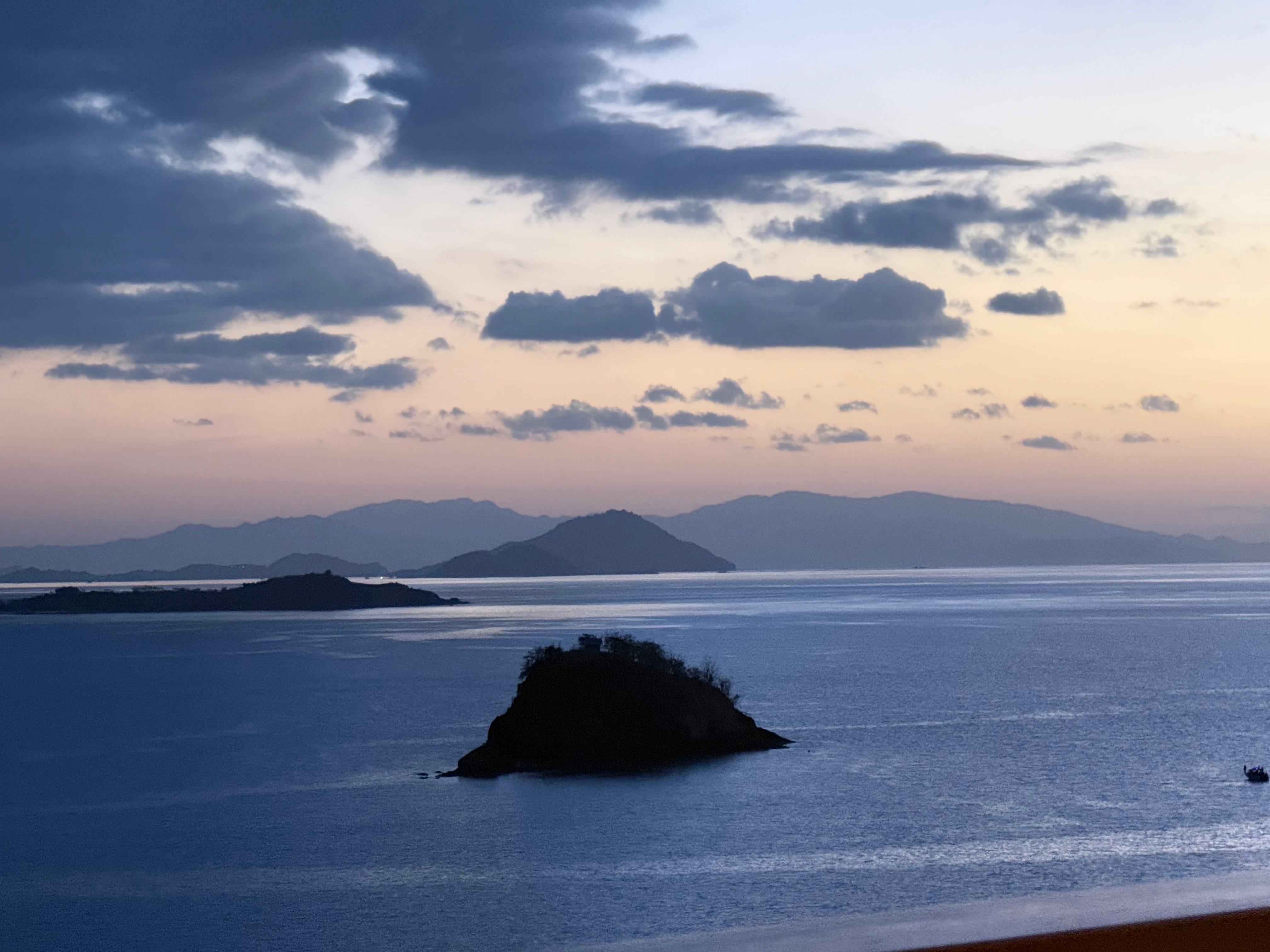
Having a birthday celebration in Labuan Baja I felt a nice hotel should be booked and the Katamaran hotel was just that. Perched upon the mountain side overlooking a busy waterway with an ocean facing room was just the ticket.
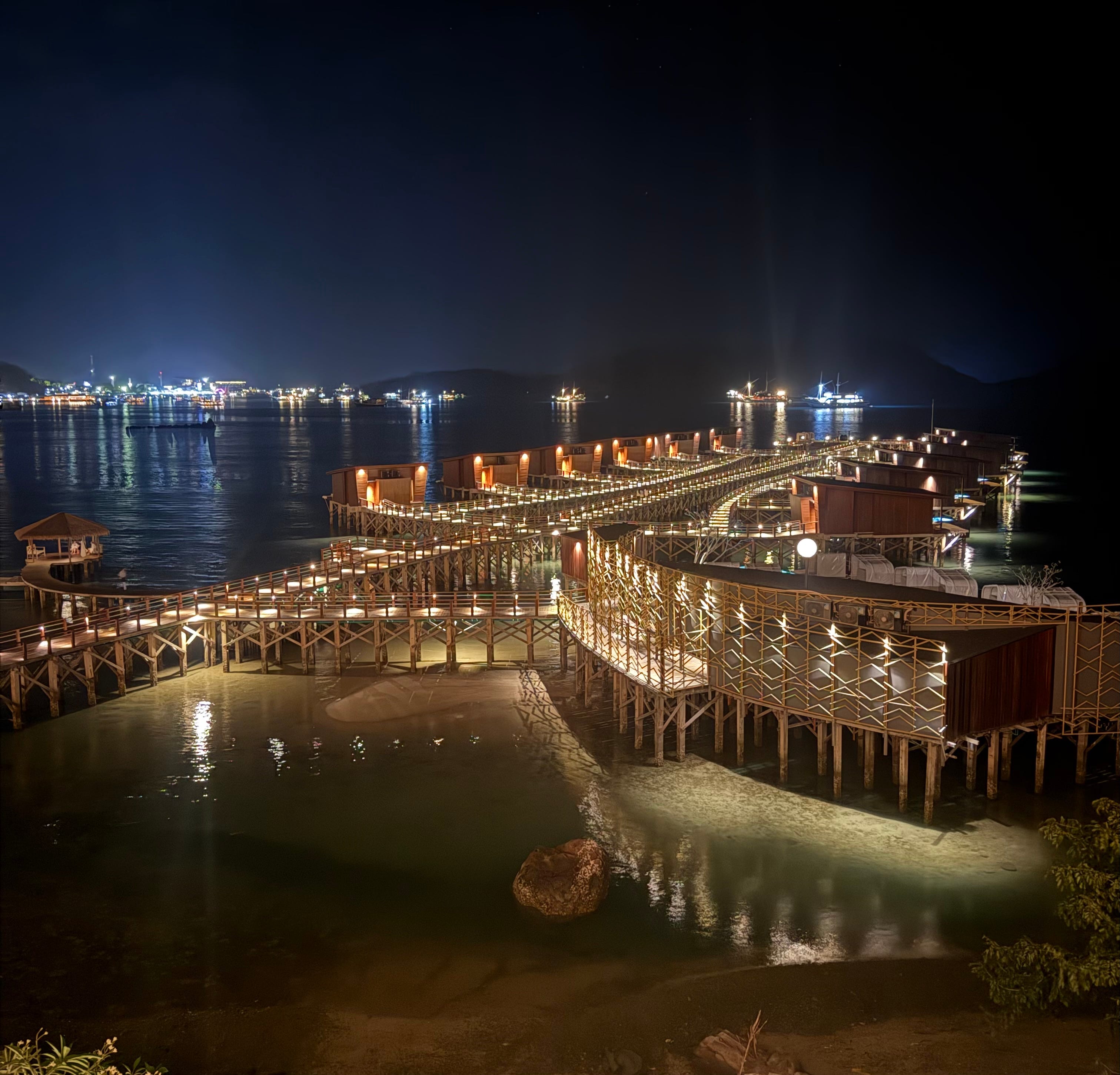
The hotel is a delight, with rooms built out over the ocean, sea kayaks, snorkel gear and stand up paddle boards and one of the most amazing spread of food for breakfast I’ve ever seen, it was a great three day stay. Ocean swims became the regular part of the day. Hopping into the water at the end of the pier and swimming amongst the tropical fish felt like being in an aquarium, warm water, stunning coloured fish, eels and you can walk out your door and into the water in ten minutes. What a top spot!
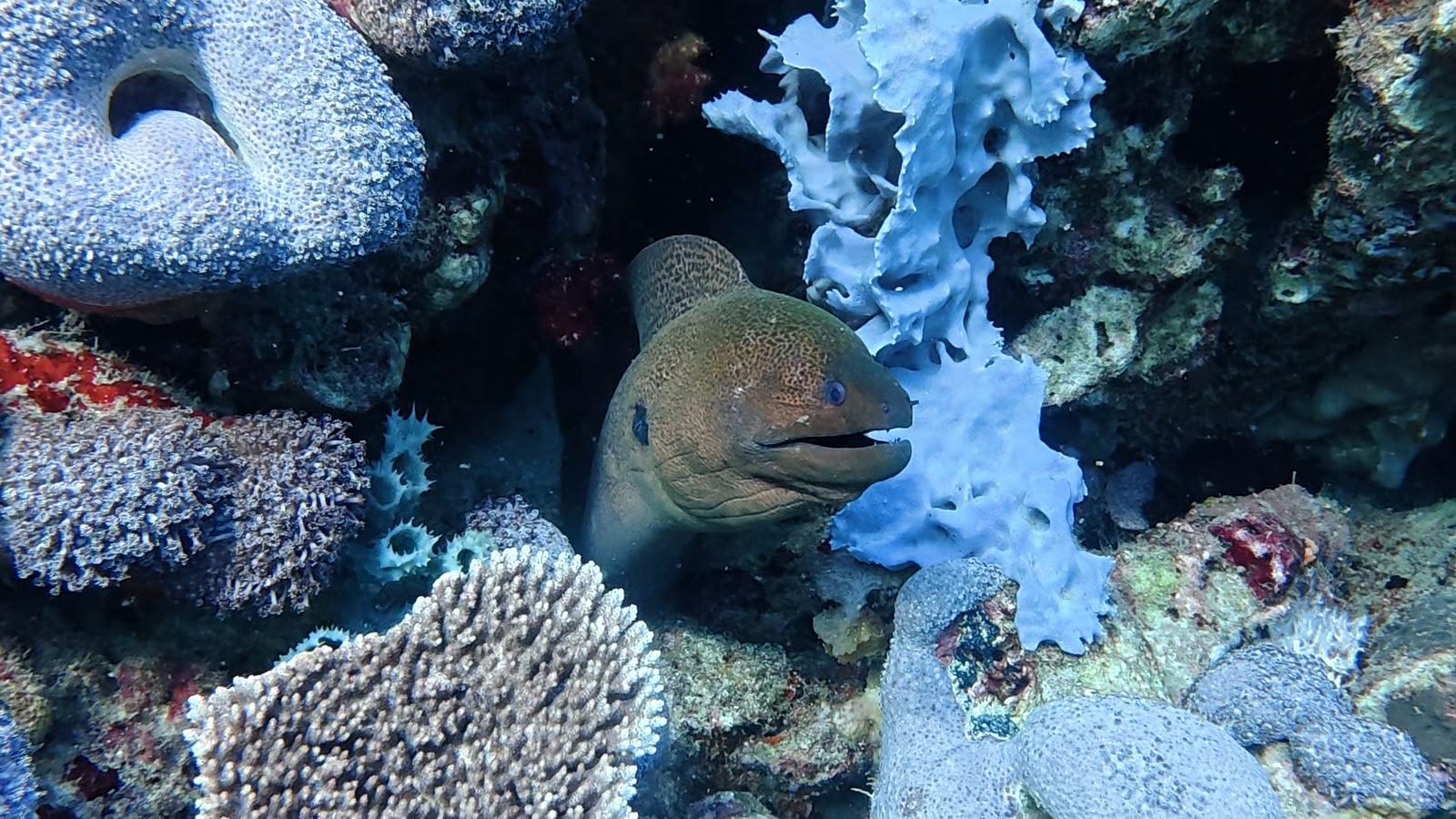
Seriously it’s hard to imagine a better way to have any celebration! How good are these marine animals.
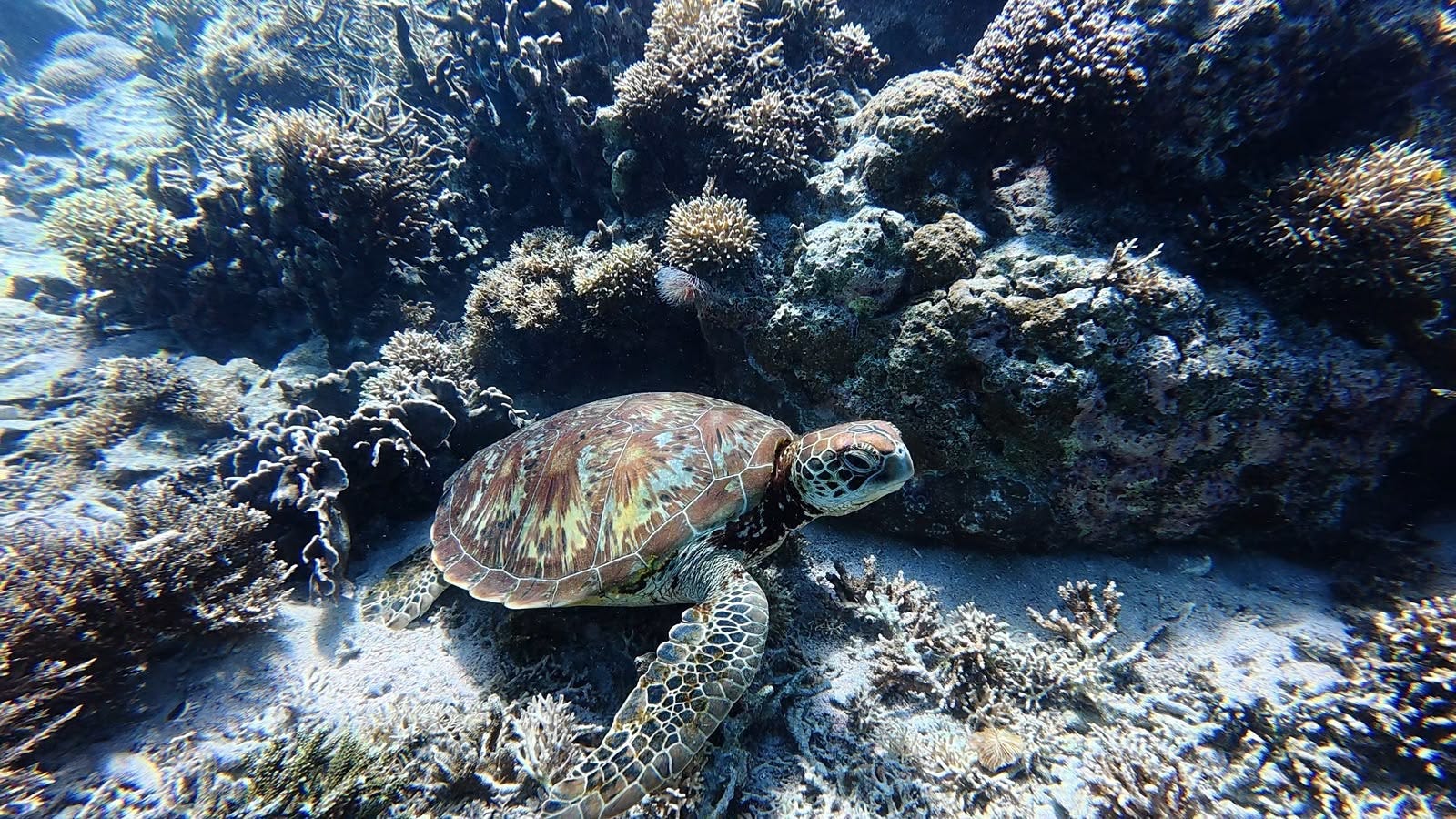
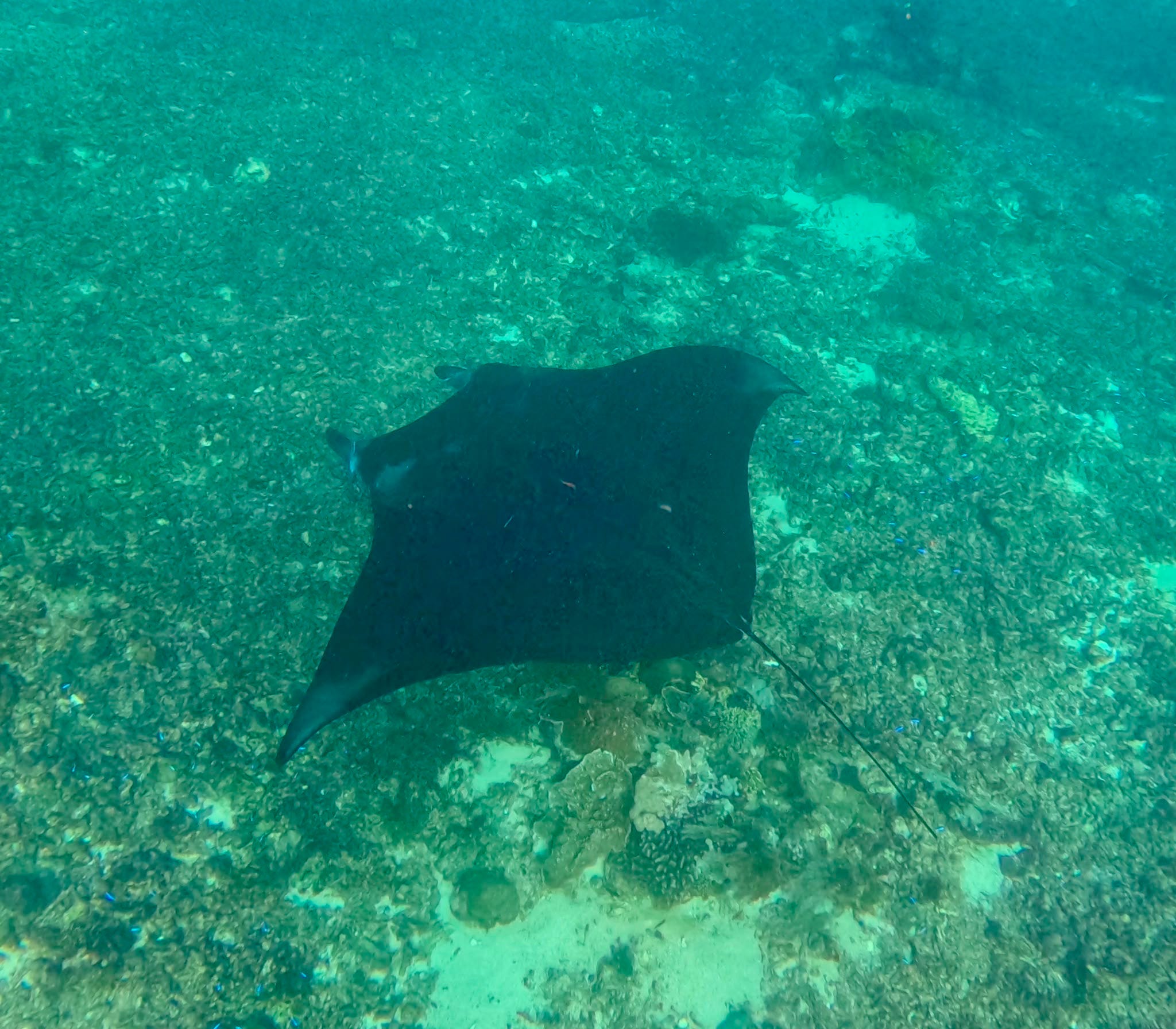
Live aboard boats seem a bit hit and miss, but the boat we decided on is great, three levels, dining area, comfy beds and 9 guests in total with 7 crew, pretty decent! Manta rays are not really why I came to this part of the world to see as it’s not really the season they are supposed to be here. However, the boat pulls up at Manta Bay, we all put on flippers and masks and spill backwards into the warm waters. The coral is colourful, I’m sidetracked looking at various colour and variety of coral, it’s just gorgeous. I have a malfunction with my snorkel, I surface to correct it and as I start my dive again up under me cruises a big manta ray. They’re incredible to watch, they glide across the ocean floor, surfacing to breathe and hover over the cleaning stations regularly. This is one special day.
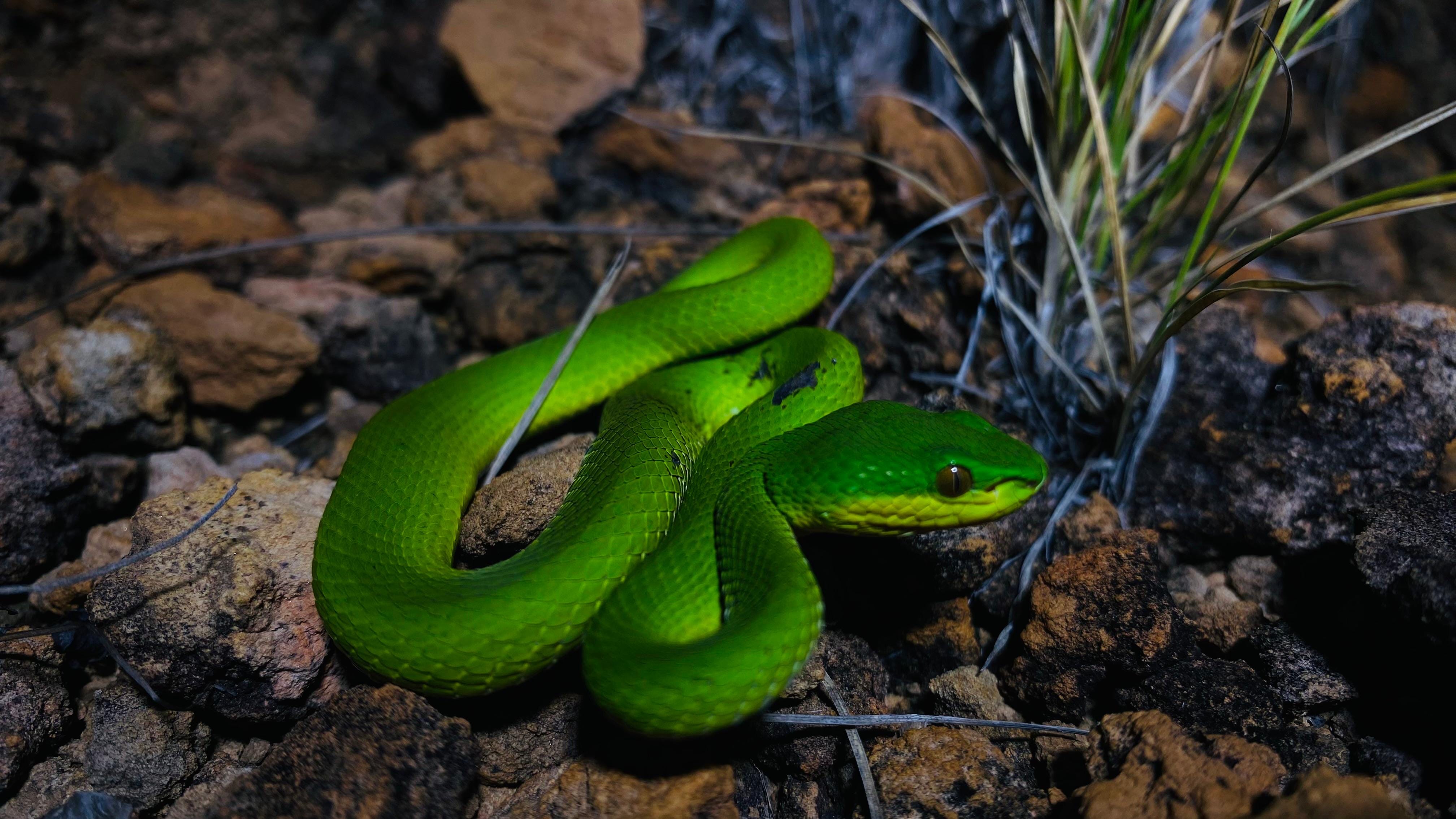
Hopping into a small dinghy to head into Sebayur island we headed to a small isolated village to do a sunset walk. It’s a steep climb up the mountain behind the village, up over rough, loose gravel and dirt and the occasional snake! This little guy was just on the side of the path, a bit of a surprise to us all as he sat there as we quickly passed. He was only small but they are venomous. Their venom kills small rodents but for humans they cause pain and necrosis, not something I’d like!
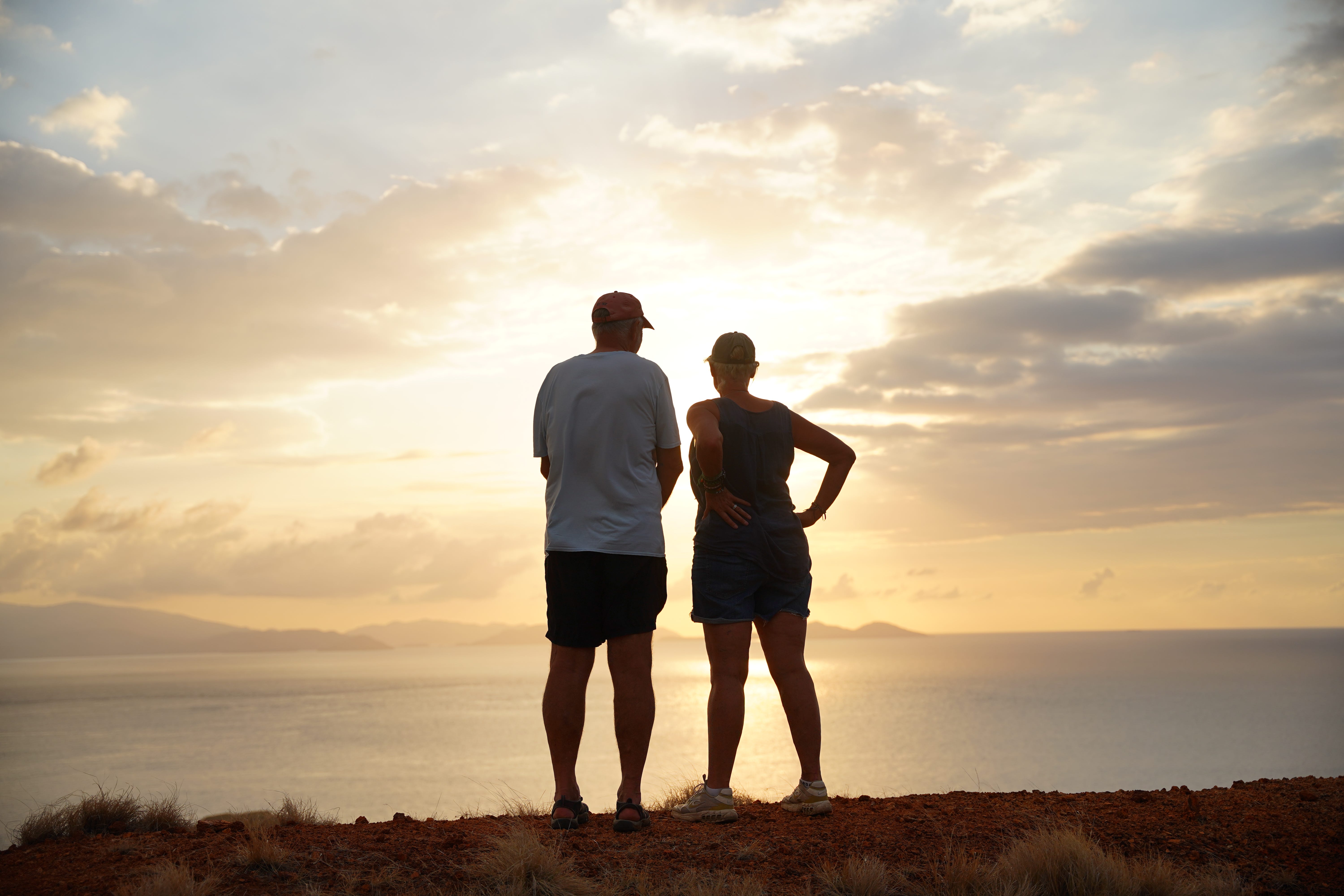
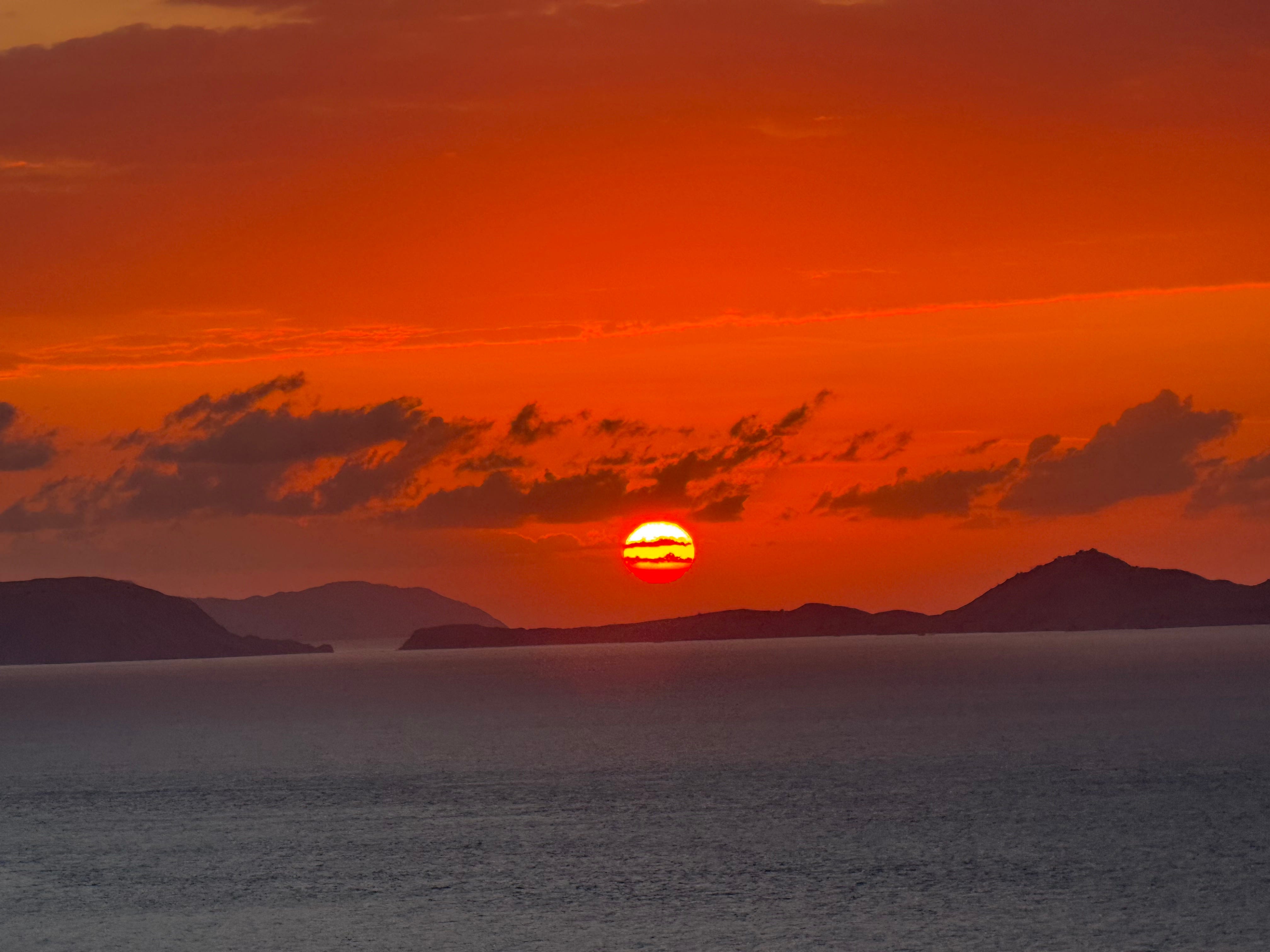
Onward to the sunset and what a sensational sunset! We were very lucky to have such beautiful scenery to view in front of us and took turns to be photographed with the sun setting in front of us, the colours are glorious.
Look at these colours from golden to fiery reds and orange.
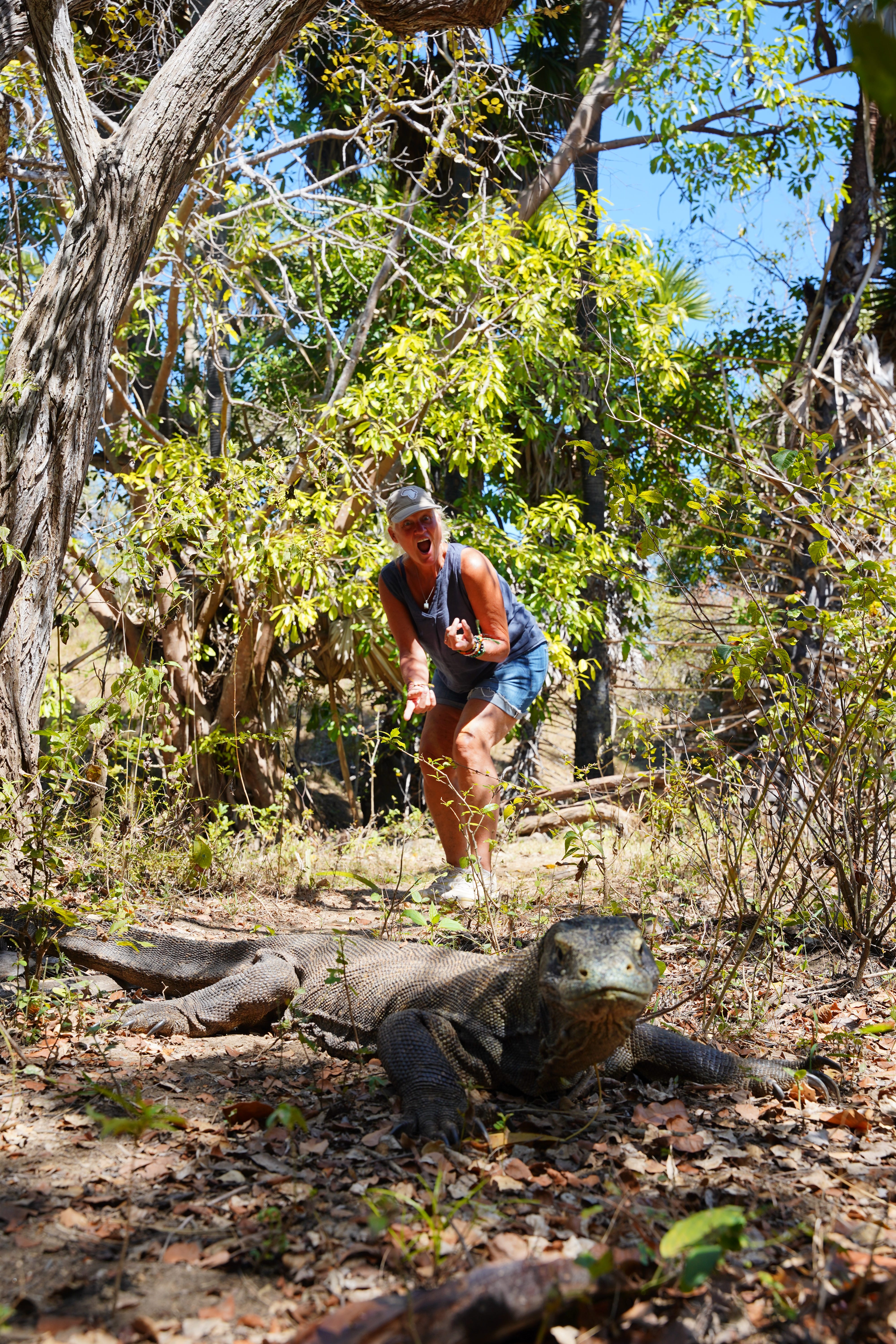
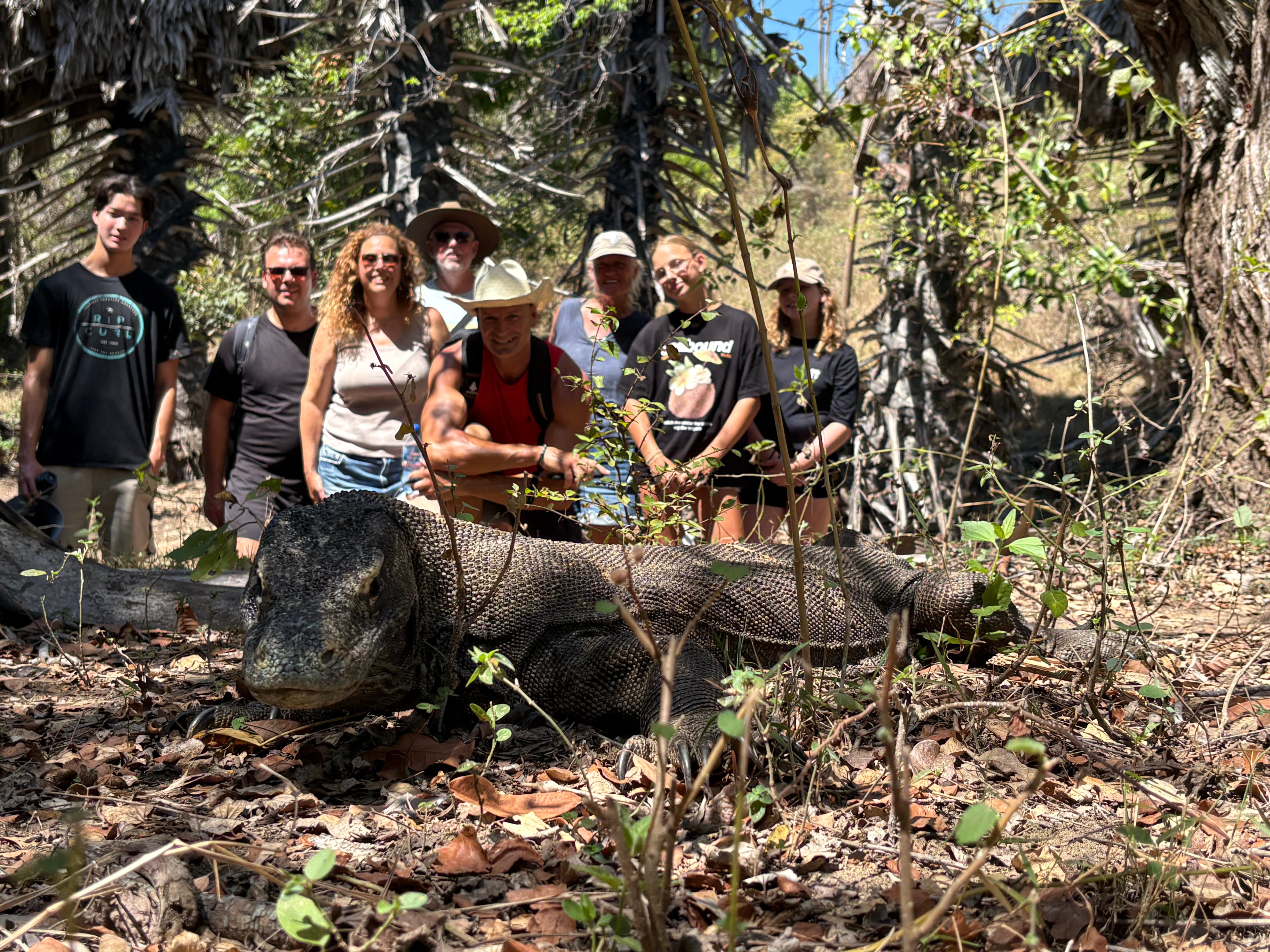
The next morning was a trip to Rinca island - part of the Komodo National Park and the home to the second largest Komodo dragon population (approx 1300). There was an option of three walks/hikes - the shortest at 40 mins sees the three dragons that live around the ranger huts (and scavenge for food), the second hike was 75 minutes and a bit further into the island. The third option and the option we all took was a 3 hour hike and around 9km in total taking us up over one end of the island visiting a couple of water holes where if you’re lucky you may see the dragons. So with the longest hike chosen we headed off on a hot and sweaty hike. The island is inhabited by Simba deer, crab eating macaques, wild boar and other small rodents that the Komodos feed on. We see a few as we walk along the path. The reward of the hike was seeing four Komodo dragons wandering around in the scrubby bushland. One was so well camouflaged that the guide almost stepped on her!
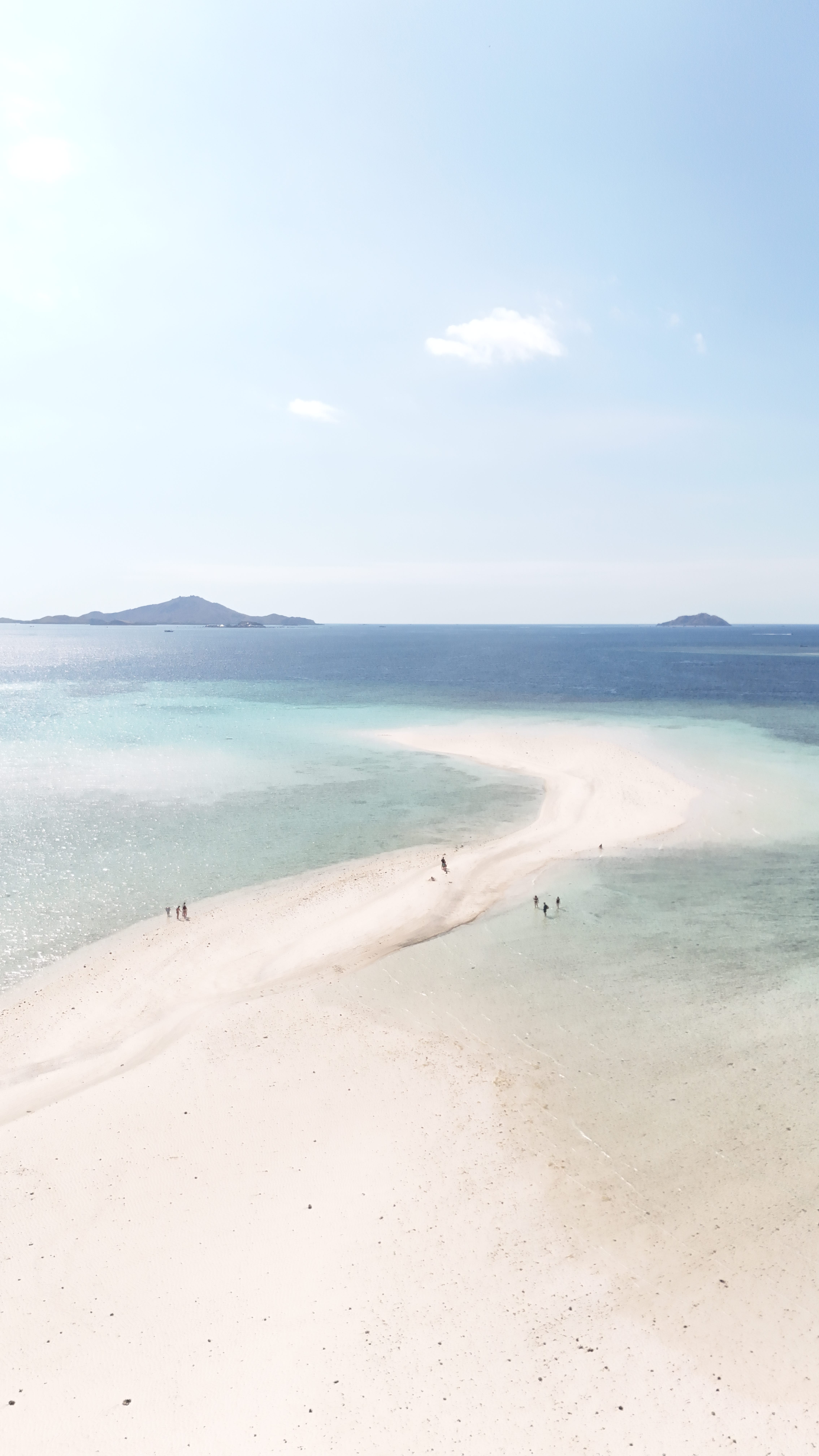
The sand island below was another stop, the sand was so white it hurt your eyes! The timing is critical here as often it’s totally submerged. There’s lovely swimming areas off and around it with azure waters and crystal clear vision to the coral.
Of course there would have to be some fun facts about the animals here. There are many, but an abbreviated version is below. I particularly loved the individual markings on the mantas and the female Komodo ability to reproduce solo!
Fun facts about Komodo Dragons:
🦎 They’re the world’s largest living lizards. Adult males can reach roughly 3 metres (10 feet) long and weigh well over 70 kg.
👃 Their tongue is basically a chemical sensor. Like snakes, they flick their forked tongues to collect particles from the air and use a specialized organ in their mouth to detect scents.
🩸 Their bite is nasty for several reasons. They have serrated teeth, powerful jaws, and venom glands that can contribute to bleeding and lower blood pressure in prey.
🏃 They can move surprisingly fast. For short bursts, a Komodo dragon can sprint at around 20 km/h (12 mph).
🏊 They’re good swimmers. They can cross stretches of ocean between islands, which helps explain how they’ve colonized different islands in the region.
🍖 They can eat enormous meals. A dragon may consume a large proportion of its body weight in one feeding, tearing meat off with its teeth and swallowing surprisingly large chunks.
🦌 Deer are among their prey. Despite their lumbering appearance, Komodo dragons can hunt animals much larger than themselves.
🐉 They’ve been around for a very long time. Their evolutionary lineage is ancient, although modern Komodo dragons are not literally unchanged prehistoric dinosaurs.
🥚 Females can sometimes reproduce without a male. Through parthenogenesis, a female can produce offspring from unfertilized eggs. Remarkably, the resulting young are genetically male.
🌡️ They rely heavily on the sun. As reptiles, they are ectothermic, so you’ll often find them basking to warm themselves up.
🏝️ They’re found naturally only in Indonesia. Their native range includes Komodo, Rinca, Gili Motang, and parts of Flores.
👑 They’re surprisingly good at waiting. A dragon may remain motionless for a long time before suddenly making a rapid move toward prey.
And perhaps the coolest fact: a Komodo dragon looks almost prehistoric, but it is perfectly adapted to the hot, dry islands of Indonesia today.
Manta rays a few fun facts:
🪽 Giant oceanic manta rays can reach around 7 metres across—like an underwater aircraft.
🧠 Mantas have one of the largest brains of any fish relative to body size and show sophisticated learning and problem-solving behaviours.
🦈 They are related to sharks. Both are cartilaginous fish, meaning their skeletons are made of cartilage rather than bone.
🌊 Unlike stingrays, manta rays have no venomous tail barb so they’re generally harmless to swimmers and divers.
🍽️ Despite their huge size, they eat tiny organisms such as plankton and small crustaceans by filtering food from the ocean.
💋Mantas swim with their mouths open and use specialized structures called gill rakers to filter food from the water.
🌀 Mantas may barrel-roll, somersault, or make looping movements while feeding—sometimes repeatedly passing through the same patch of plankton-rich water.
🧼 Small cleaner fish remove parasites and dead tissue from their bodies. Mantas may patiently hover while their “cleaning crew” gets to work.
🐣 Manta rays give birth to live young. A developing baby manta grows inside the mother and is nourished initially from an egg yolk.
🐋 They’re migratory. Mantas can travel huge distances in search of food, suitable temperatures, and cleaning stations.
And perhaps the most fun fact - Every manta has a unique belly pattern. The spots and markings underneath their bodies can be used by researchers to identify individual mantas, rather like fingerprints.
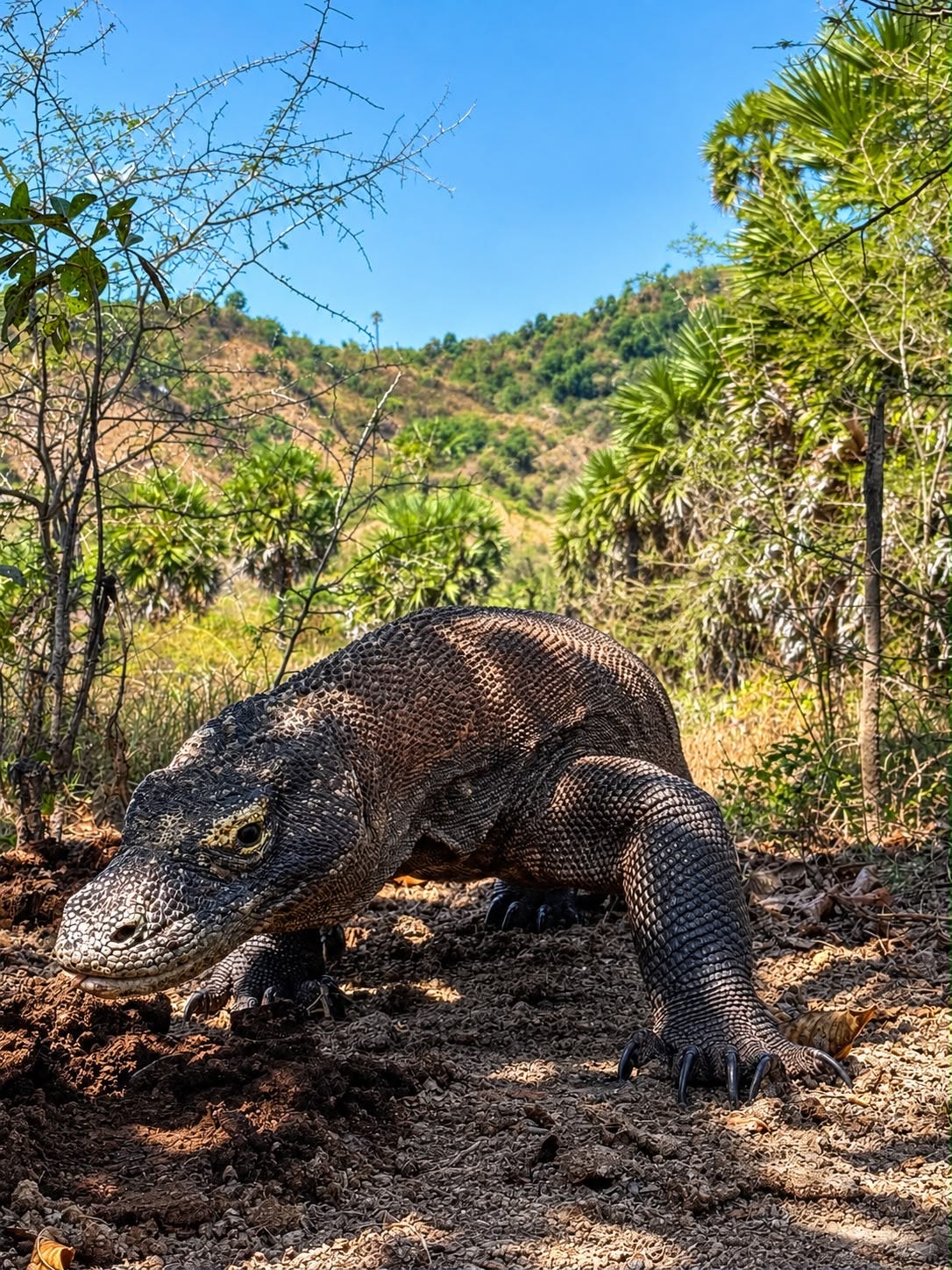
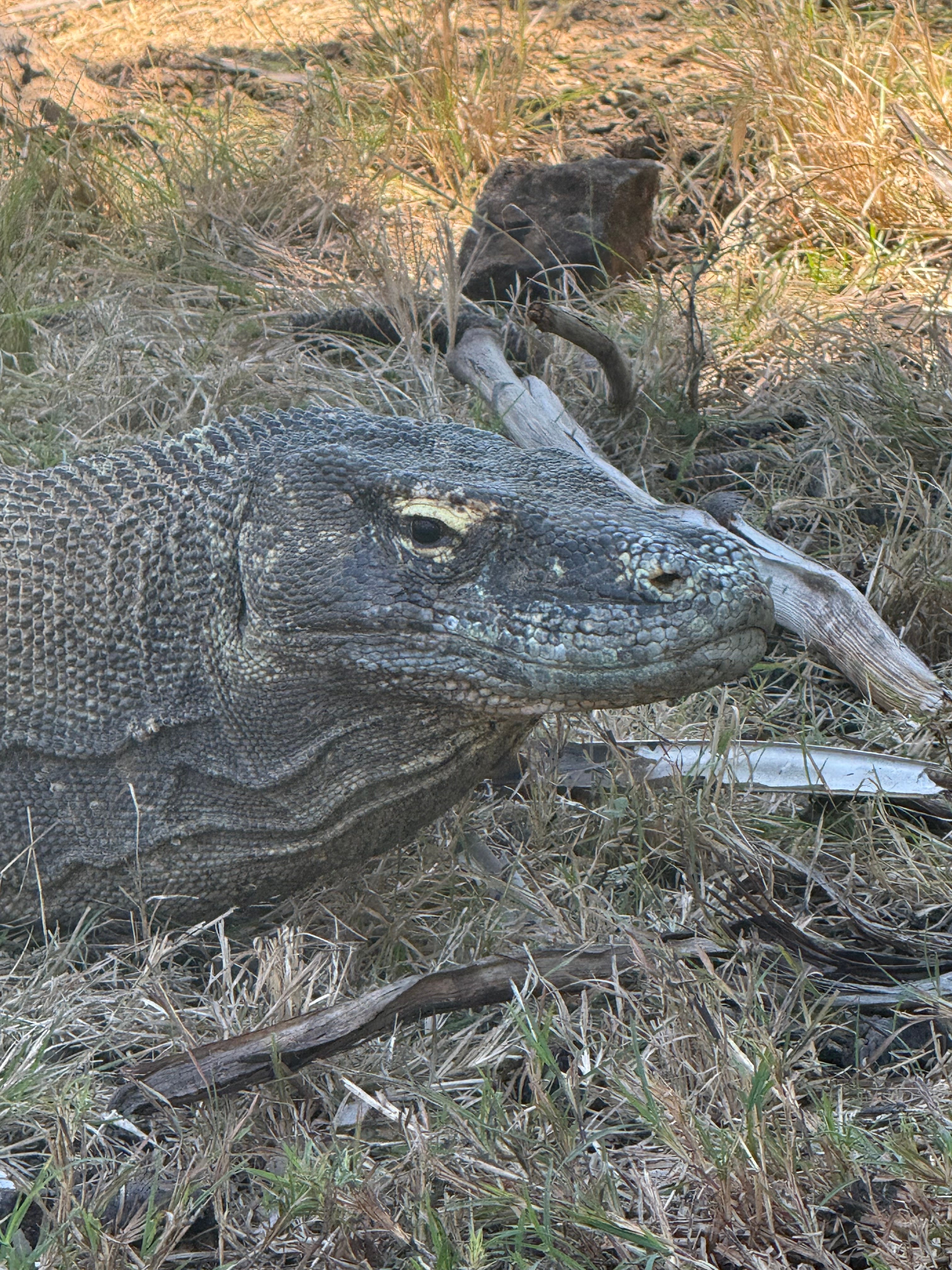
What a special couple of weeks. But for now I’m heading home to Melbourne, then a few days visit to our capital, Canberra, catch up with family and friends, organise a few things before I head off on the next big adventure. North Africa is calling! I’ll leave you with this handsome male Komodo dragon. The head shape shows he’s a male - broader head and thicker shoulders than the female!
Lisa, I’m hoping that you’ve returned but just wanted to check you’re ok after the news of a significant earthquake in Flores.
Another amazing adventure, I’m pleased to read about the dragons, such big reptiles aren’t on my bucket list!! Look forward to your next journey