
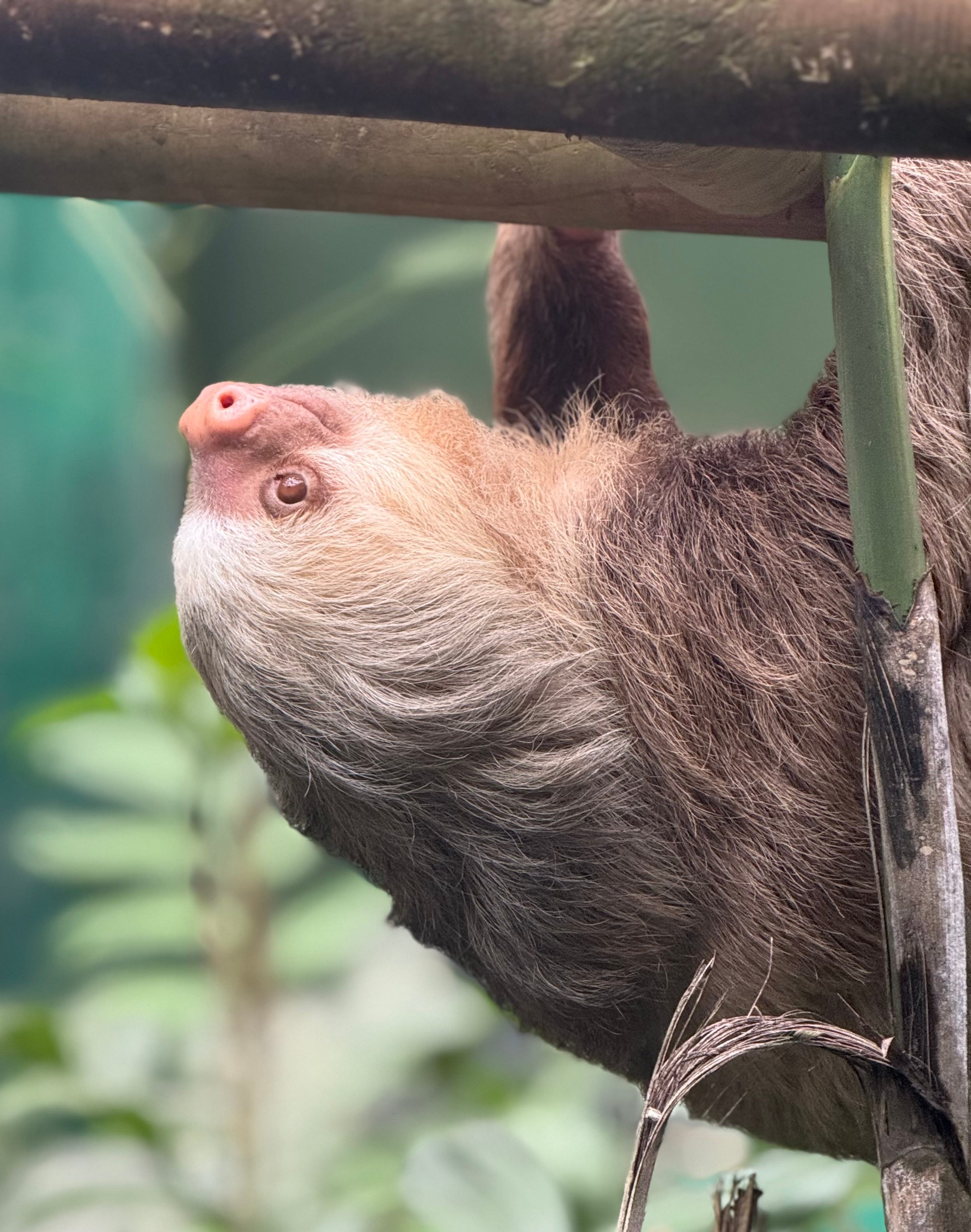
Sloths!
Costa Rica 🇨🇷

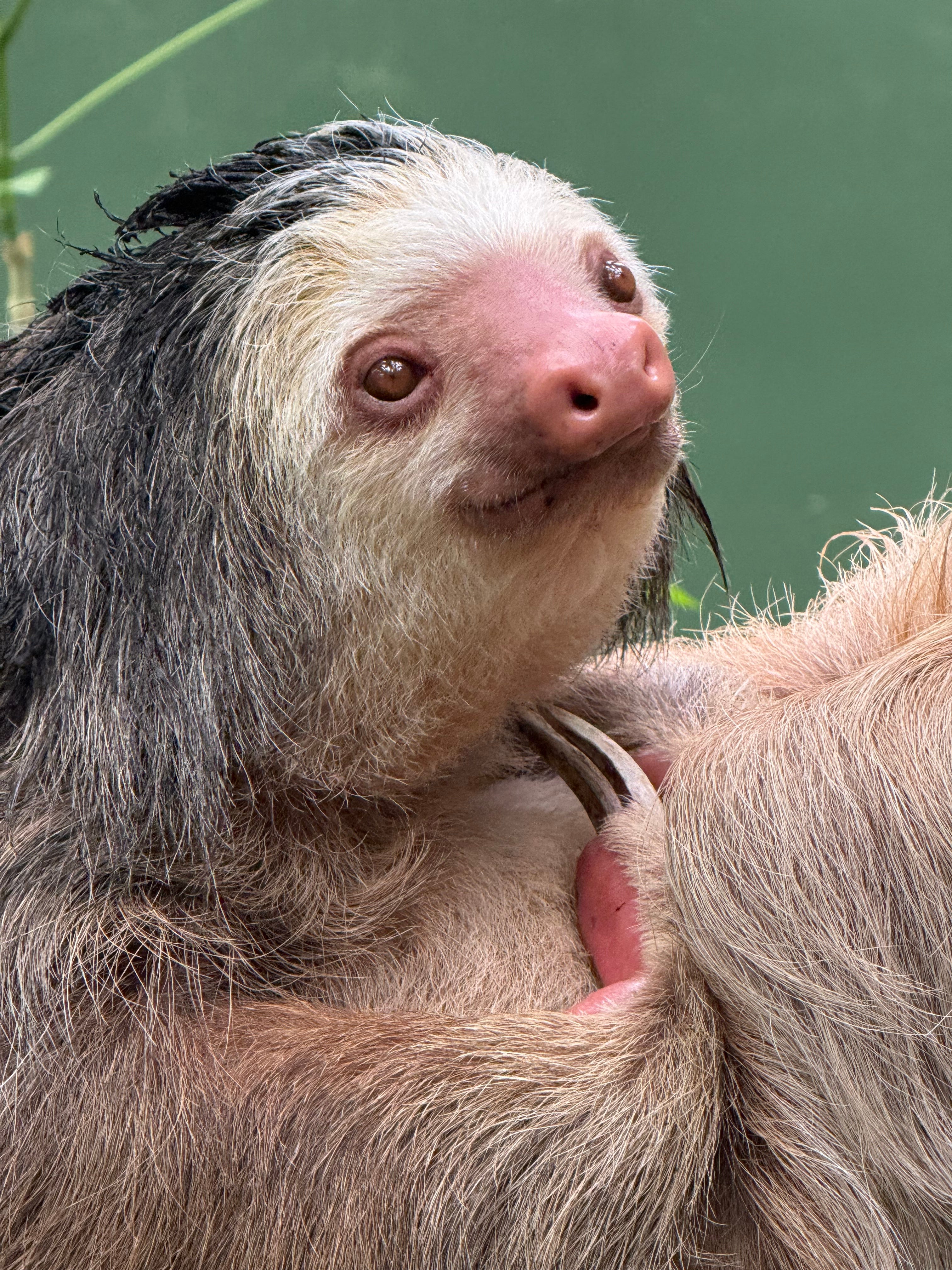
There are other animals in Costa Rica, but seriously how could you not think sloths when you think of this country! Well, and birds! The advertising all says - Come to Costa Rica and see the birds, so I did. This is what I had read - For birdwatchers, Costa Rica is considered one of the best destinations in the world because it packs an extraordinary number of species into a relatively small area. Well either I got it wrong, or they did. It’s a small country at 51,000 square km, and I covered a reasonable amount of it, cloud forests, rain forests, mountain ranges, a mix of habitats really, but alas not nearly as many birds as I was hoping to see. Just a little disappointed, but I did manage to see some other animals (SLOTHS) and saw more majestic volcanoes, which I thoroughly enjoyed.
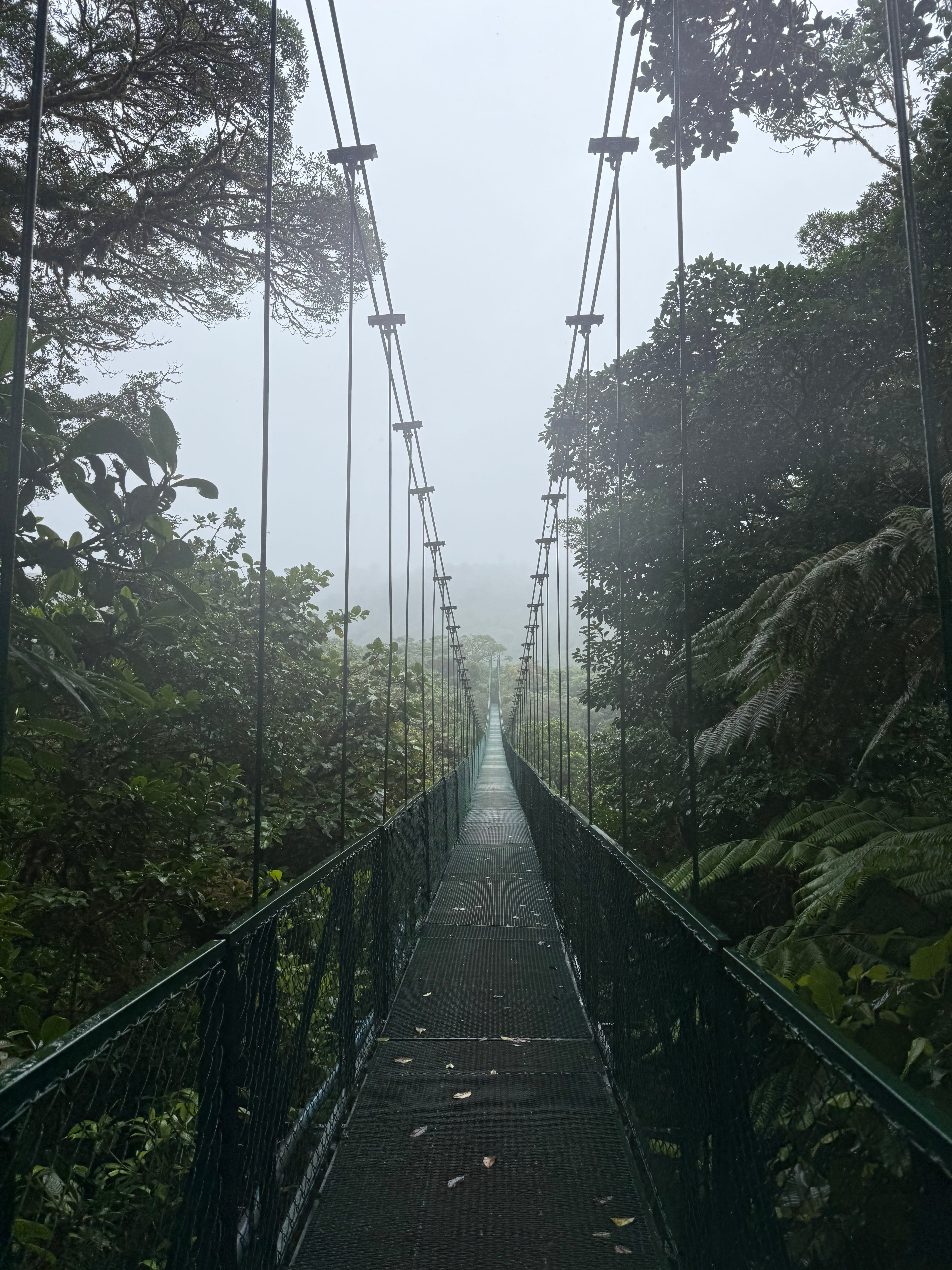
Yet another border crossing, this time from Nicaragua to Costa Rica. It’s supposedly a reasonably quick crossing, but one girl in our bus group didn’t have the correct paperwork, and so we sat for more than an hour whilst they tried to fix it up and get her across. Frustrating! Then once across the border the rain started. We drive the three hours from the border to a small town called Monteverde. Founded in the 1950s, Monteverde sits in the mountains of north-central Costa Rica at elevations of roughly 1,200–1,800 meters (4,000–6,000 feet). The name means "Green Mountain," and the area is often shrouded in mist, creating the unique ecosystem known as a cloud forest. Whilst we are there it rains pretty much the whole time due to a tropical storm coming in from the Pacific Ocean. However only being here for one full day means there are things that need to be seen. We wander into the small town in the early morning and enjoy a coffee and avocado toast at the local bakery. Whilst there we decide on doing the hanging bridges walk of Monteverde.
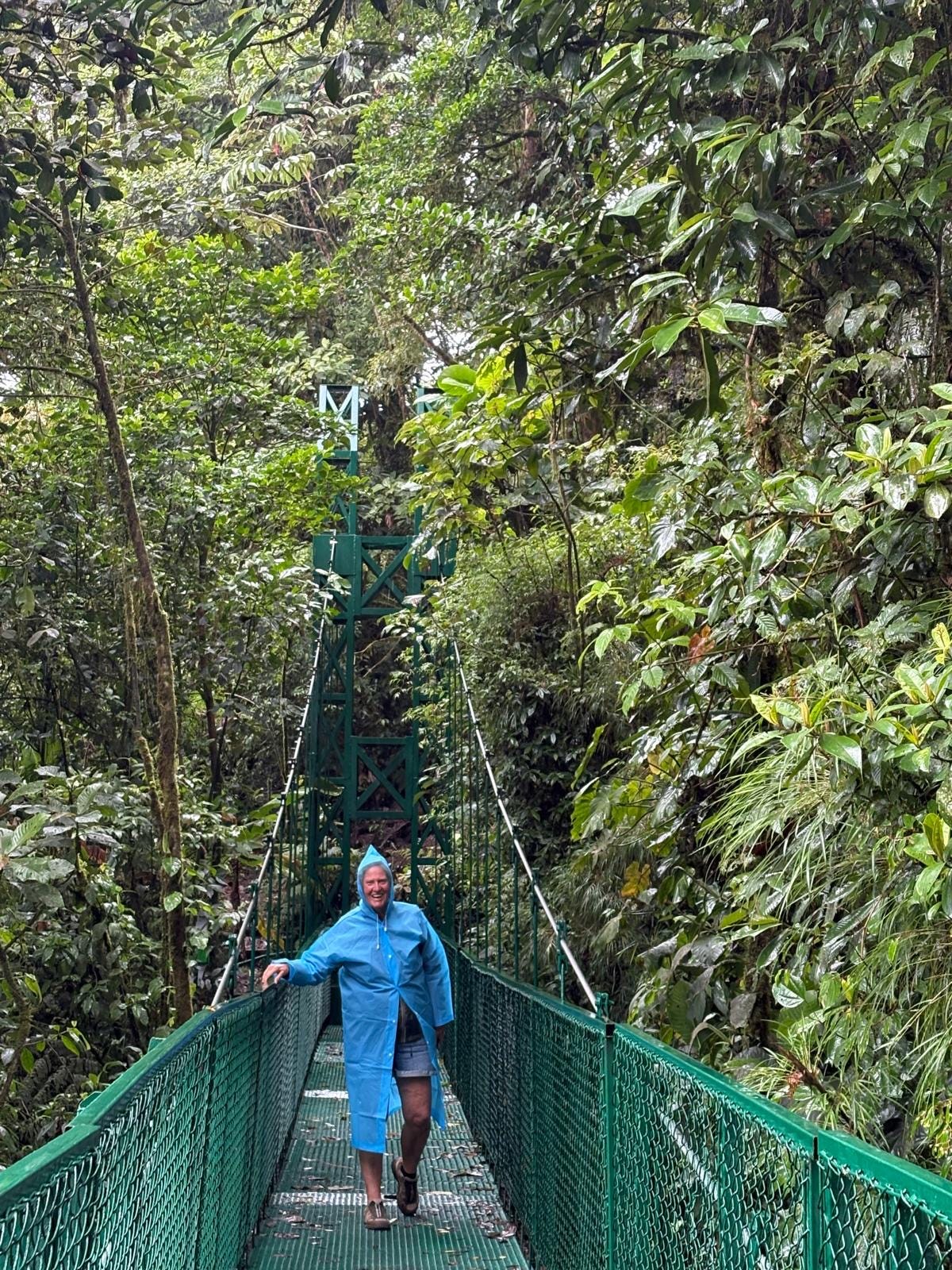
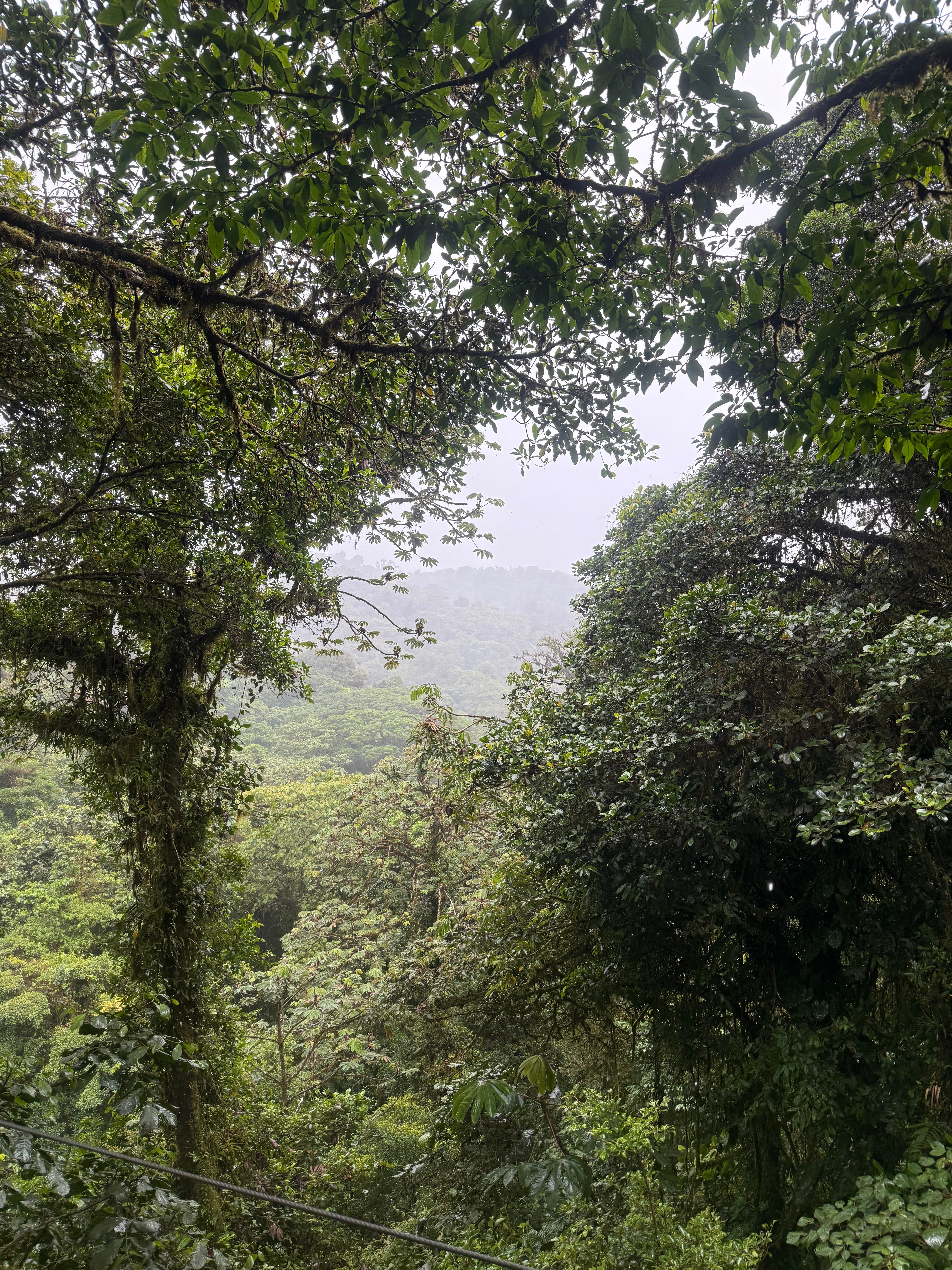
Luckily I buy the purchase of the century before the walk, a $5 blue plastic long rain coat which although not a fashion piece, was the best buy ever as it kept me and my backpack dry in somewhat torrential rain. Hiking the eight hanging bridges was spectacular, as I hiked I gave great thanks to the plastic raincoat gods for my new purchase. I had completely dry clothes at the end of the bridges, unlike some! The cloud forest is fabulous, various shades of green, huge strangler fig trees, fiddle leaf figs, man ferns with foliage around 5 metres wide. This tropical forest receives plenty of rain and remains warm most of the year (except today I think!). The bird life is well hidden, we see some broad-billed mot mots, and hear wood wrens, yellow throated toucans, flycatchers and see a couple of hummingbirds.
The hanging bridges were walked, a lovely wet walk, we returned back to the main gate. We were then offered entry to the sloth rehabilitation centre. Of course that’s a visit to do. Even better, we were fortunate enough to be the only people in the centre. I think everyone else was wet through and decided to head back to town, they should have spent the $5 on the glamorous blue plastic raincoat! To be honest, the sloths (and the volcanoes) have been a holiday highlight, we were fortunate enough to see twelve sloths, two and three toe variety. The two toed live in the higher altitude cloud forests and the three toed in the rain forest lower down. Having read they are slow movers it was fascinating to see them on the move, one must have taken five minutes to go about five metres! As they sleep up to 18 hours a day it’s a treat to see them awake and active!
On the move again, we make our way toward La Fortuna. Initially it’s a drive through gorgeous green cow pasture properties. Apparently the best milk and milk products in Costa Rica come from this area. There’s plenty of cows so potentially that’s a true statement. We end up on a tiny gravelly road in the back blocks of Costa Rica, then after travelling for a further hour on this road we catch our first glimpse of Arenal Volcano. What a sight! For much of recorded history, Arenal was thought to be dormant. That changed dramatically in 1968, when a major eruption destroyed several villages on its western side and reshaped the region. The volcano remained highly active for decades, producing frequent lava flows and ash emissions. Since about 2010, activity has declined significantly, and visible lava flows are no longer common. It’s fascinating, one side of the volcano is black lava flow rocks and the other is becoming quite lush and green. It’s a sight, it’s probably the most correct looking volcano, if you asked a child to draw you a picture of a volcano, Arenal would be it - well minus glowing fires and emitting ash!
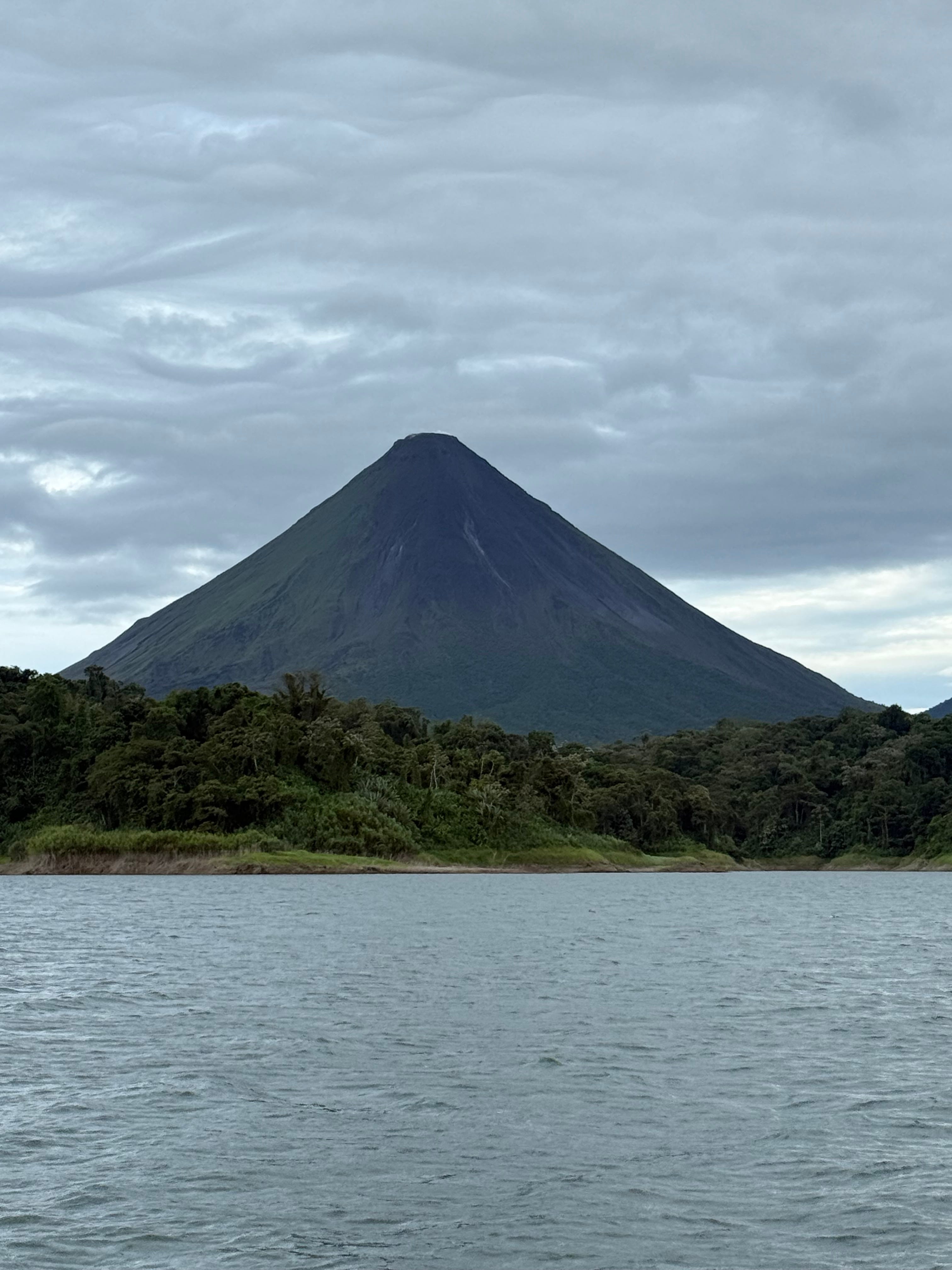
We start the next part of the adventure on a small lake boat that we have the next hour in. We cross lake Arenal chug chugging along in the lake boat, it’s a very pleasant journey indeed. The volcano is majestic today, apparently she’s often shrouded in clouds so we’re very fortunate that today she is fully visible. Lots of decisions to make for an activity in this local area the next day. There’s so many activities from zip lining to ATV riding to lake activities. But of course with a volcano hike in the offering why not choose it.
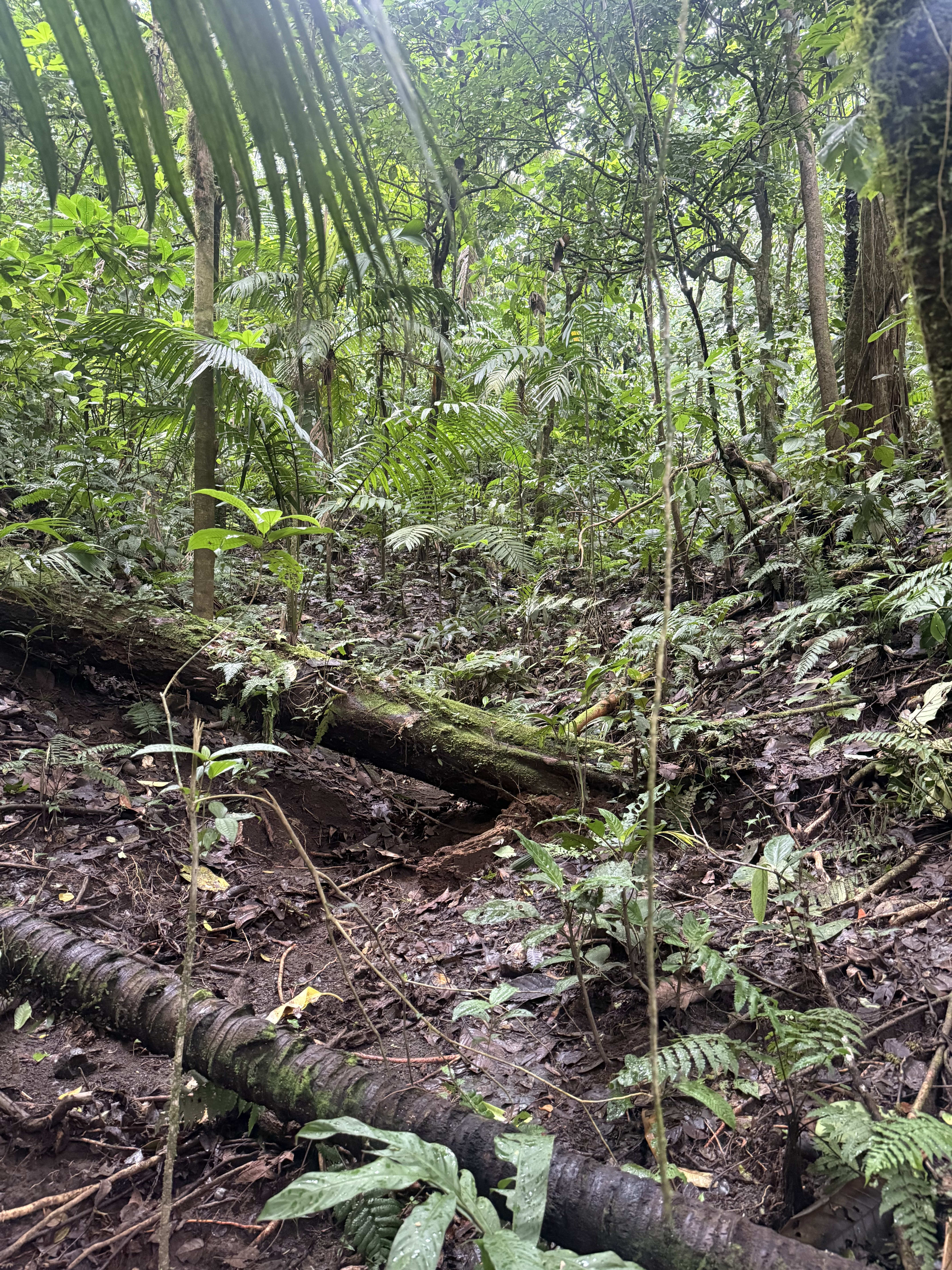
Up early and get ready for the transfer to the national park. We had spent the previous evening researching the trails, what we had the potential to see, and degree of difficulty. There are three entries with an average of six different paths as our options. So quite a bit of research went into choosing which gate to go to, then which paths to hike, we’ve chosen El Silencio, tracks 3, 5 and 6 giving us a loop around the western side of the volcano. We have views of the volcano that aren’t quite as clear as yesterday, the clouds are cloaking her today. The paths are rocky, muddy and include quite a few stairs. The trees are enormous and the underbrush thick. It was all going very smoothly until this guy dropped out of the tree and slithered across the path between Megan and I.
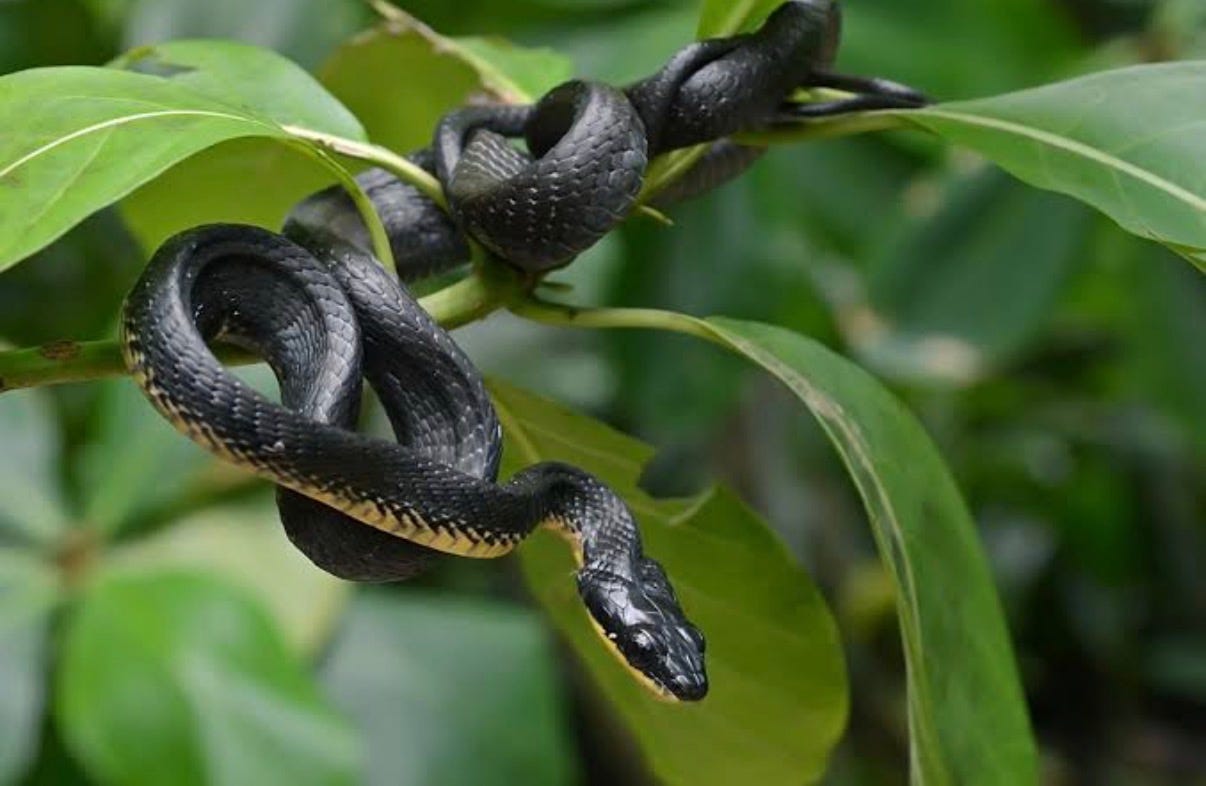
Ooooh la la, what a surprise. So happy to see any animal except maybe this guy. Just made everyone’s hearts race a bit faster and we make a rapid back pedal to be out of the way. Happily he slithered across the path and across the other side. Phew. Birds call in the distance, yellow throated toucans are abundant here but tricky to see in the dense foliage. A family of coati mundi run up a tree, they’re a relative of anteaters so have a long slim nose for getting into ants nests to feed, they’re hard to take any photo of as they whip up the tree and hide in the tree tops. But as luck would have it -
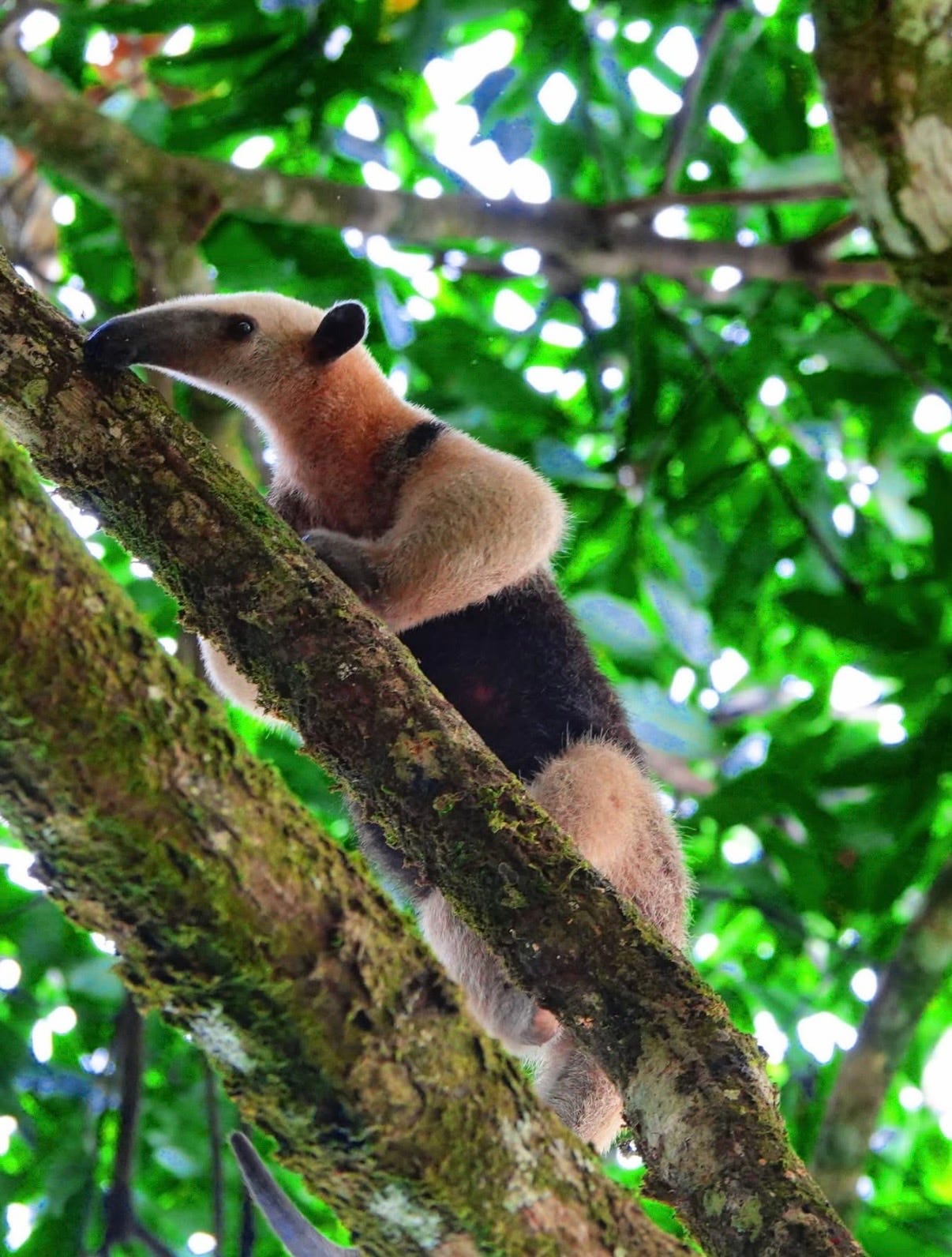
Returning to the start of the track is an 8km round trip and I must say apart from a snake and the slippery conditions it was a fab hike. The afternoon is spent in the small town of La Fortuna, it’s a tourist hub with tourist prices so we have a quick look and then decide to walk the 6km back to our accommodation.
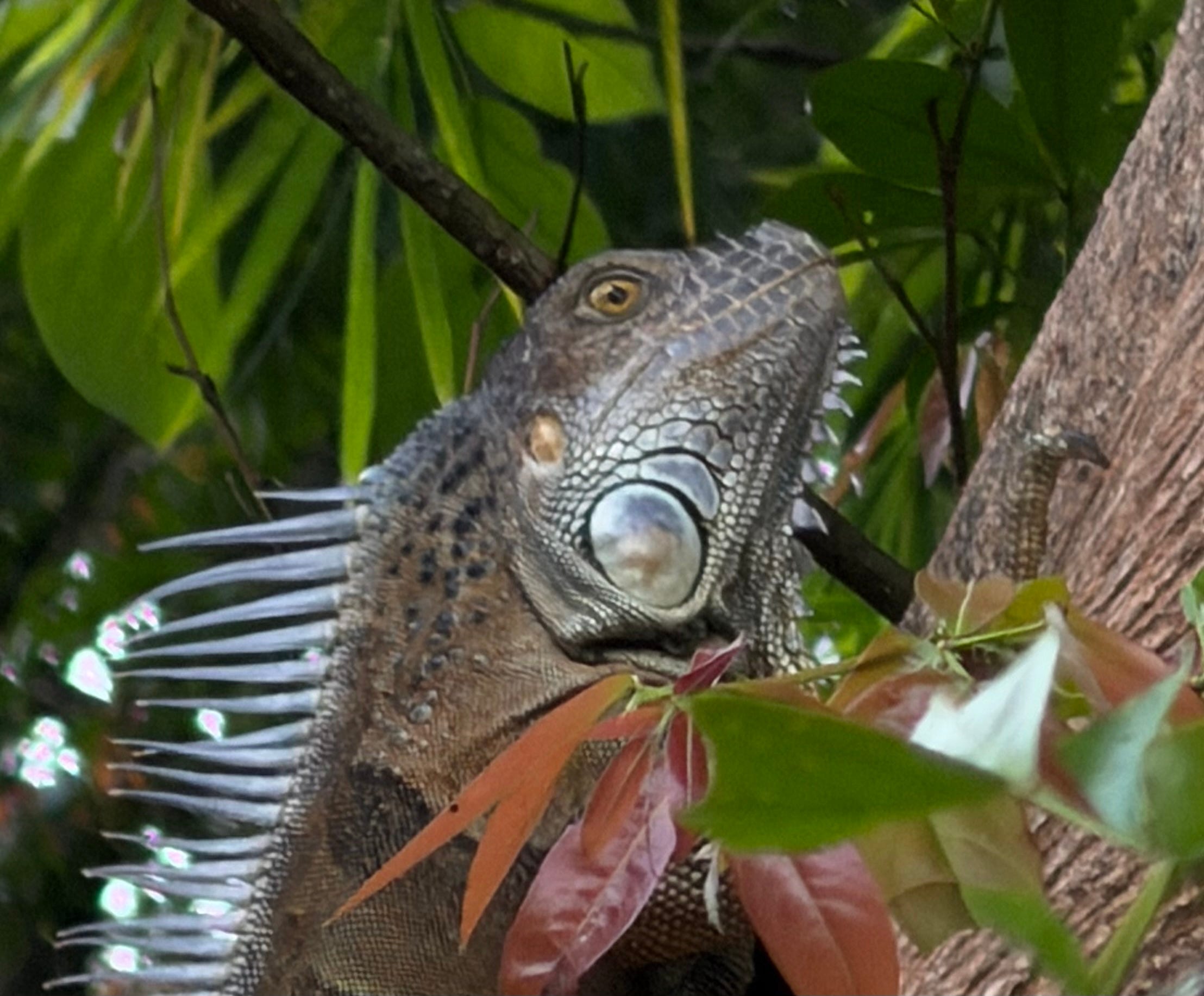
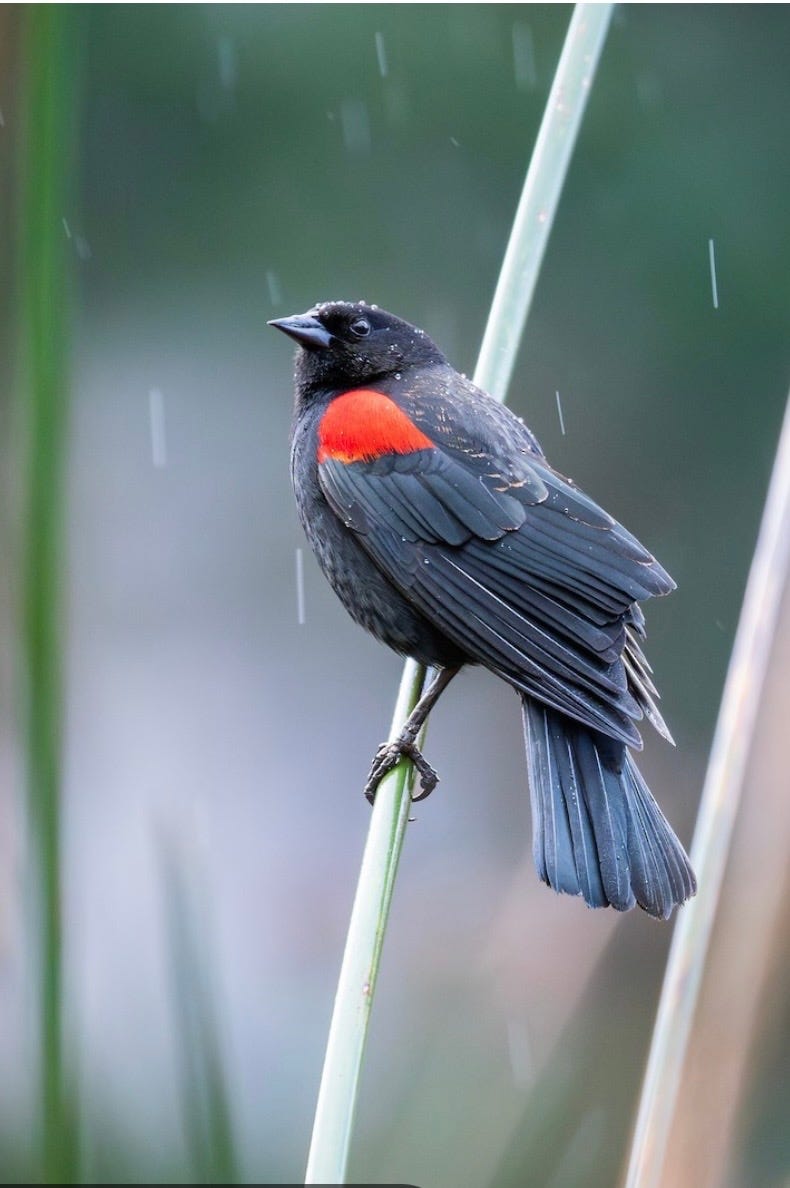
This is an epic walk with so many great animal sightings including a mess of iguanas which catch our attention for a good 30 minutes. Such prehistoric creatures and a delight to watch. They climb the trees, chew the grass, side eye us and generally keep us amused. We also spot yellow throated toucans and the very aptly named red winged blackbird, making the walk along the road very rewarding.
Of course the next part of the journey was to the capital, so it was fitting to sing - “Do you know the way to San Jose”, incorrect country, but fun! The roads are reasonable but as with most capitals it’s always busy nearing the city. We have a wander through the city in the late afternoon. That evening we farewell the Aussies we have travelled with over dinner, then prepare for an early departure heading to a fab island in the Caribbean. I’ll leave you with this cute girl, as I head off on next part of the adventure.
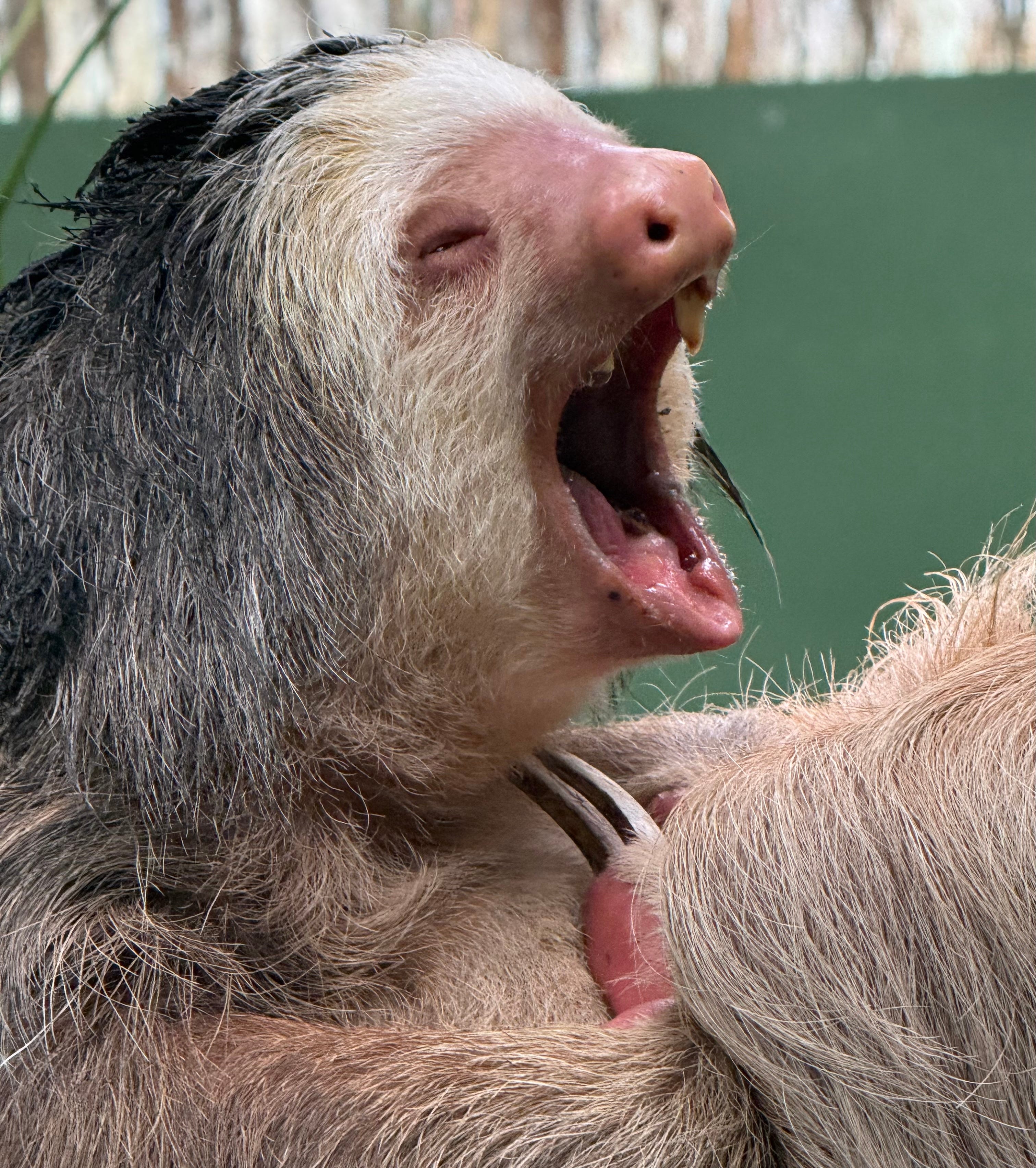
It’s beautiful country :-)
Wow! That iguana! Looks like it’s wearing armour. Amazing.